

Quick Summary: Wholesale Golf Bags
- Product mix: A wholesale program should cover the bag types your channel can sell, such as cart bags, stand bags, Sunday bags, and premium staff bags.
- Supplier check: Compare construction, materials, storage layout, logo application, sample approval, packing, and replenishment communication before placing a larger order.
- Customization: A supplier should be able to explain which colors, panels, labels, embroidery methods, and hardware details can be adjusted for your program.
- Commercial detail: Ask for MOQ, sample timing, production timing, packaging, and shipping assumptions in writing. These items affect the real cost of a wholesale golf bag program.
Buying wholesale golf bags is a product decision and a channel decision. A pro shop needs a practical assortment that fits its floor space. A distributor needs repeatable specifications across multiple customers. A private-label brand needs a supplier that can keep the approved design consistent after the first sample.
The supplier conversation should therefore begin before a price comparison. Define the buyer, the sales channel, the core bag types, the branding points, and the replenishment plan first. Then compare factories against the same checklist.
1. Match the assortment to the sales channel
There is no single wholesale assortment that fits every U.S. buyer. A resort shop may need branded cart bags and a smaller giftable carry option. A retailer may need several price and material tiers. A distributor may need a stable group of product types that can be presented to different accounts without redesigning the range each time.
Start by assigning a job to each product type:
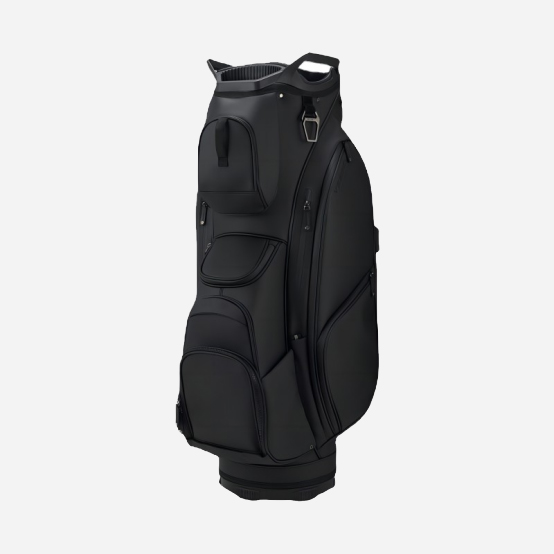
- Cart bags: A practical choice for riders, pro shops, country clubs, and retail programs that need visible storage and a structured body.
- Stand bags: Useful for walking-focused assortments and lighter carry programs. Review stand stability, strap construction, and the base before approval.
- Sunday bags: A compact option for short rounds, practice, travel, or an entry product within a broader range.
- Staff bags: A larger branded display piece for premium retail programs, club shops, events, and visible on-course identity.
Chengsheng’s golf bag collection gives buyers a starting point for comparing bag categories. For stand-focused programs, the golf stand bag range can help narrow the discussion to carry use, structure, and customization.
2. Check the construction before comparing price
A wholesale golf bag quote is only useful when the specifications behind it are clear. Ask the supplier to identify the main body material, lining, padding, divider layout, base construction, zipper type, strap attachment, and hardware finish. These details affect how the bag looks at retail and how it performs after repeated handling.
Material should follow the intended channel. Polyester and nylon can suit lightweight or performance-led programs. PU and other coated surfaces can support a more structured or premium appearance. Canvas can give a different tactile direction. The correct choice depends on the design, target price, handling conditions, and branding plan. Chengsheng’s guide to custom golf bag materials is useful when a buyer needs to compare these choices before the sample stage.
Do not accept a material name as a complete specification. Ask where the material is used, how the seams are finished, what parts are reinforced, and whether the approved sample will use the same construction as bulk production.
3. Review the branding surface and logo method
Wholesale programs often fail at the branding handoff, not at the first product idea. Your supplier should be able to map the logo to the actual bag: front panel, side pocket, ball pocket, strap, towel ring, zipper pull, or other approved location.
Request a logo placement drawing or marked sample. Confirm the artwork file, thread or print colors, size, backing, stitch density where relevant, and the tolerance for placement. If the program uses more than one material, ask whether the same branding method works across the selected panels. Embroidery may be appropriate for some surfaces, while printing, woven labels, patches, or other methods may suit another panel.

4. Use a written sample and approval process
A sample is the point where a concept becomes a product specification. Record the approved body color, material, logo size and position, pocket layout, divider configuration, hardware, label, packaging, and any visible tolerance. Keep the approval file with the purchase order.
For a private-label or distributor program, ask how the supplier will handle a change request. A small change to a pocket, zipper, panel, or logo can affect the sample and production schedule. The answer should be specific: who confirms the revision, which file controls production, and when the revised sample is approved.
Chengsheng’s sample approval checklist covers the type of checkpoints a U.S. buyer can put into its own approval process. A clear approval record also helps prevent a later discussion from turning into a disagreement about what was ordered.
5. Ask for the commercial terms that affect replenishment
Price matters, but it is not the only number that determines whether wholesale golf bags work for your channel. Ask for the following items before comparing offers:
- MOQ by product type, color, and customization level
- Sample fee and sample timing
- Estimated production timing after approval
- Packaging method and carton assumptions
- Shipping basis and documents supplied for the shipment
- How repeat orders use the approved specification
- How color, material, or hardware substitutions are communicated
Do not fill unknown terms with assumptions. If the supplier has not confirmed MOQ, lead time, price, stock, certification, or shipping responsibility, mark it as an open item in the comparison sheet.
Wholesale golf bag product checklist
| Suggested SKU Category | Best Fit | Review Points | Customization Discussion | Recommended Buyer |
|---|---|---|---|---|
| Cart bag program | Pro shops, country clubs, retail floors | Pocket layout, divider structure, base, padding, carry points | Panel colors, logo placement, embroidery or patch, trim and hardware | Retailers, resorts, distributors |
| Stand bag program | Walking and lightweight carry ranges | Stand stability, strap attachment, body support, base, pocket access | Color blocking, logo panels, labels, strap and trim details | Retailers, private-label brands |
| Sunday bag program | Entry products, practice, travel and short rounds | Weight, capacity, handle, strap, closure and packing | Logo method, compact color range, label and packaging | Retailers, corporate buyers |
| Staff bag program | Premium displays, club shops and events | Body shape, visual scale, storage, base, trim and finish | Large logo areas, contrast panels, embroidery, patches and custom labels | Country clubs, resorts, private-label brands |
The table uses product categories rather than invented SKU numbers. Ask the supplier to attach its actual model number, drawings, material specification, MOQ, and sample terms to the quotation.
6. Check whether the supplier can support the full program
Wholesale buyers often need more than a product file. They need a supplier that can answer questions across sampling, logo application, packing, repeat orders, and export communication. Chengsheng’s international business scope page and company introduction provide background for buyers reviewing its manufacturing and export capability.
Public industry sources also help buyers frame the commercial conversation. Golf Datatech publishes golf equipment and retail market research, while Golf Retailing covers retail-facing industry developments. Those sources do not replace your own sales data, but they can help a buyer decide which customer segments and product categories deserve closer review.
Recent industry coverage also shows why retail relationships matter to golf brands. On September 28, 2026, The Golf Wire reported that PAYNTR Golf appointed Jake Haley to lead sales and strategic business development, with a focus that included national sales strategy and retail partnerships. For a wholesale bag buyer, the practical lesson is simple: product fit and supplier communication need to support the channel plan, not sit separately from it.
Prepare a better wholesale golf bag inquiry
Send the supplier a short brief with your target channel, product types, estimated order structure, target materials, color references, logo files, packaging needs, delivery destination, and approval contact. Ask the supplier to separate confirmed facts from items that require a sample or production review.
A useful comparison is built from matching specifications. Once the product type, branding surface, sample standard, and commercial terms are written down, you can compare wholesale golf bags on more than the opening unit price. That gives your retail team a clearer basis for approving a range and planning the next order.
FAQ
What should U.S. retailers ask a wholesale golf bag supplier first?
Ask about product types, materials, construction, customization options, MOQ, sample timing, production timing, packaging, shipping assumptions, and repeat-order control. Request the answers in a written quotation.
Which golf bag types are common in a wholesale assortment?
Common categories include cart bags, stand bags, Sunday bags, and staff bags. The right mix depends on the sales channel, customer use, floor space, and price structure.
Can wholesale golf bags be customized for a private-label program?
Many suppliers can discuss custom colors, panels, labels, logo placement, embroidery, patches, hardware, and packaging. Confirm the available options on a sample rather than assuming every model supports every change.
Should a buyer request a sample before placing a wholesale order?
Yes. The sample should confirm material, color, construction, storage layout, divider configuration, branding position, hardware, and packaging details before bulk production.
What if a supplier has not confirmed MOQ or lead time?
Keep the item open in the comparison sheet and request written confirmation. Do not present an unconfirmed MOQ, price, stock position, certification, or delivery time as a final commercial term.
Post time: Sep-30-2026