

How to Launch a Private Label Golf Bag Program for U.S. Retail
Quick Summary
- Start with a clear range: Build a small program around distinct carry, cart, and premium bag roles instead of ordering several similar styles.
- Branding needs a sample plan: Confirm logo position, color matching, label details, and decoration method on the actual bag material before production.
- Retail decisions affect sourcing: Intended price position, sales channel, shelf space, and replenishment plans should be part of the supplier brief.
- Ask for comparable quotes: Send every supplier the same bag type, material direction, feature list, artwork, packing expectations, and quantity range.
A private label golf bag program gives a retailer, distributor, or golf facility a product line it can own rather than a collection of unrelated bags from multiple brands. The work starts before the RFQ. Buyers need to decide which customer each bag serves, which features belong at each price level, and where the brand should be visible.
That distinction matters in a channel where a pro shop may need a compact logoed carry bag, a specialty retailer may need a feature-rich cart bag, and a brand may want a higher-visibility staff bag for events or display. Recent specialty-golf distribution activity, including an Elite Grips partnership with Worldwide Golf Shops, is a useful reminder that product design and channel fit have to work together. A bag program should give each channel a reason to carry the next SKU.
Build the Range Around Jobs, Not Around Colors
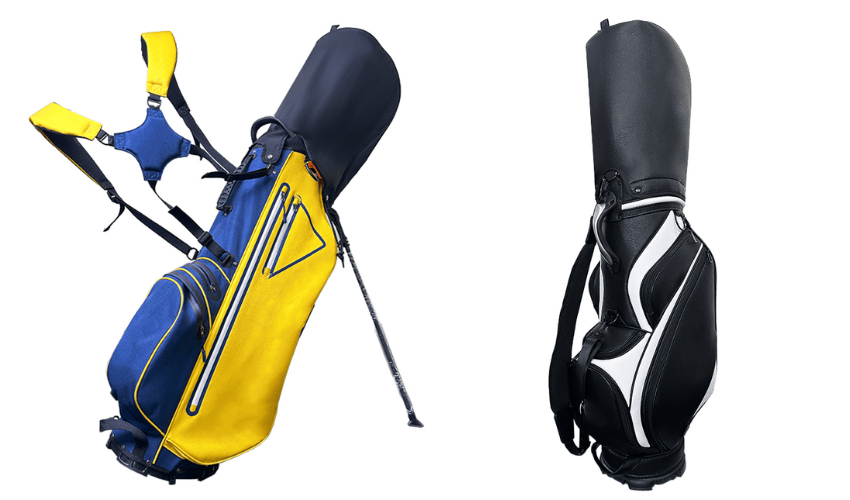
Many first programs become difficult to sell because every bag tries to do the same job. A cleaner launch uses a narrow set of roles. The carry or stand bag covers portability. The cart bag supports organized storage for riders. The staff bag gives the range a premium, event-ready, or team-facing option. Colors, logo treatments, and material direction can connect the range without making the bags interchangeable.
For the broader choice of bag categories and buyer use cases, see our golf bag assortment planning guide for pro shops and resorts. This article focuses on turning that assortment logic into a private label program that a supplier can sample and quote consistently.
Suggested Private Label Golf Bag Program
| Suggested SKU Category | Primary Retail Role | Key Brief Decisions | Best-Fit Buyer |
|---|---|---|---|
| Core Carry / Stand Bag | Portable everyday bag for walking rounds, club programs, and lighter retail assortments | Carry system, stand mechanism, divider layout, pocket mix, logo zones, and rain hood direction | Pro shops, collegiate programs, specialty retailers |
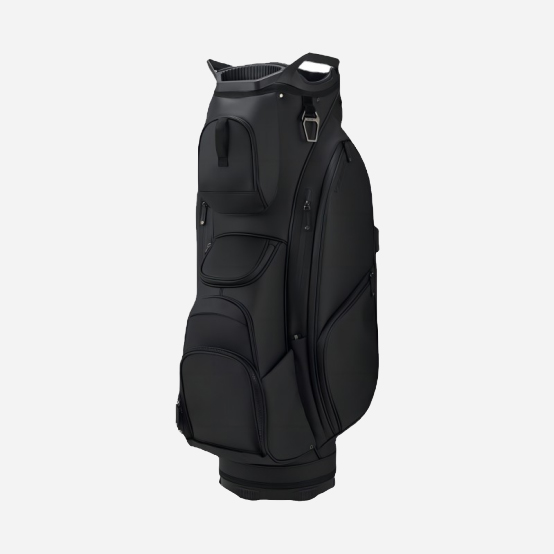
| Core Cart Bag | Higher-storage bag for riding golfers and full-service course retail | Top configuration, pocket access on a cart, apparel storage, accessory organization, and branding panels | Country clubs, resorts, golf retailers, distributors |
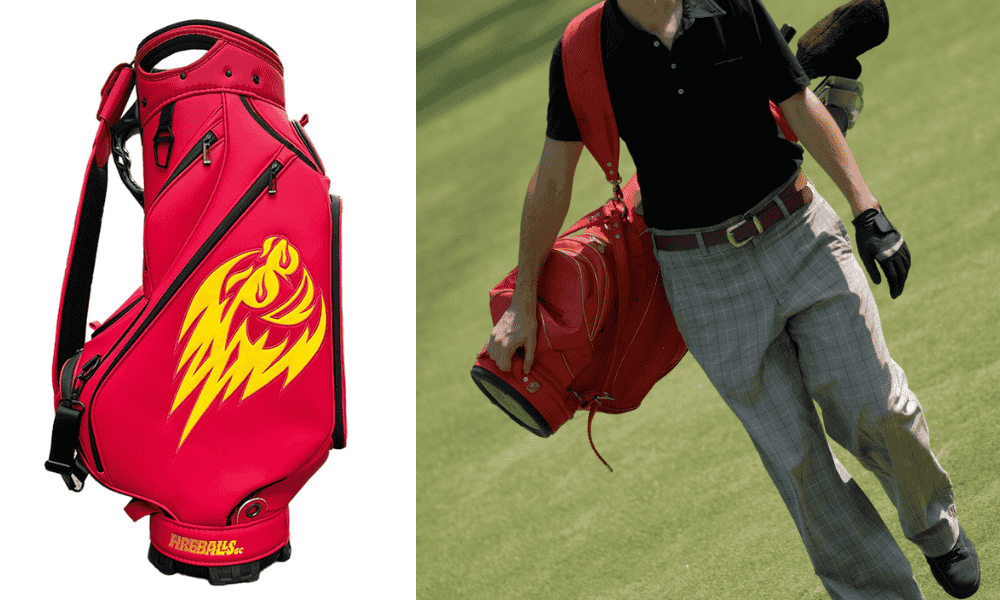
| Premium Staff Bag | Brand statement piece for events, team programs, display, and premium buyers | Large logo areas, carry straps, material finish, panel construction, matching accessories, and presentation packing | Private label brands, corporate programs, tournament organizers |
These are product categories, not invented model numbers. The final specification should come from the buyer’s target customer and the supplier’s confirmed construction options. If a cart-focused range is central to the program, our custom golf cart bag sourcing guide covers the questions worth resolving before a quote is compared.
Choose One Brand System Across the Range
Private label does not require identical bag silhouettes. It requires a consistent system. Start with the items the customer will notice first: logo placement, brand colors, zipper pull direction, lining color, woven labels, and hangtag or packaging treatment. Then decide where variation is useful. A premium staff bag may need a larger logo panel, while a carry bag may need cleaner decoration zones that do not interfere with the carry system or pocket openings.
Logo method must be selected for the actual material and panel construction. Modern printing and debossing can be appropriate choices for the right surface and artwork. Embroidery can also be specified across nylon, canvas, PU, and mesh by adjusting the stitching approach for the material. It supports several visual and tactile treatments, including flat embroidery, raised embroidery, chain stitch, towel embroidery, and applique. For a fuller process comparison, read the golf bag embroidery guide.
Sample the Brand Before You Expand the SKU Count
Use the first sample to test the program, not only the bag. Review the silhouette, construction details, artwork scale, logo placement, color relationships, zipper and trim choices, and how the bag looks in a product photo. Put the sample beside existing store merchandise or brand assets. A logo that looks balanced on a flat artwork file may need a different size or location once it sits on a curved pocket or padded panel.
For a premium piece, a staff bag can also become the visual reference for the entire line. It gives buyers a large canvas for brand colors and decoration while showing how the logo system may translate to smaller bags and accessories.
Write a Supplier Brief That Produces Comparable Quotes
A useful supplier brief makes quote comparison possible. It should state the product category, intended retail channel, material direction, top and divider requirements, pocket list, carry or cart-use priorities, logo artwork, decoration locations, color references, sample expectations, packing requirements, and quantity range. It should also explain which details are fixed and which ones the supplier may recommend.
Ask each supplier to identify assumptions in the quote. That is especially important when material finish, hardware, logo method, or packing treatment has not been finalized. A lower quote may simply omit a requested detail. Our custom golf bag RFQ checklist can be used alongside this product brief when contacting suppliers.
Buyers planning material direction should review available options before locking the visual design. Polyester, canvas, PU, and recycled fabric each affect the look, hand feel, cleaning expectations, and decoration choices. The custom golf bag materials guide provides a practical starting point for that discussion.
Use Retail Signals Without Copying Another Brand’s Product
Retail research is useful when it helps a buyer define an open question: whether the range needs a lighter carry option, a more storage-focused cart bag, a premium display piece, or a tighter color program. The National Golf Foundation is a useful source for tracking the U.S. golf business and participation context, while public golf trade coverage can provide examples of how brands expand through specialty retail channels.
Use those signals to set a brief, then make the design your own. A private label range needs a clear buyer, a consistent brand system, and specifications that a manufacturing partner can review without guessing.
FAQ
What is a private label golf bag program?
A private label golf bag program is a coordinated line of golf bags sold under a retailer’s, club’s, distributor’s, or brand’s own identity. The program normally defines bag categories, branding, material direction, feature priorities, and supplier requirements.
Which golf bag types should a U.S. retailer include first?
A practical starting point is one carry or stand bag, one cart bag, and one premium staff bag or event-focused option. The exact range should reflect the retailer’s customer mix, sales channel, available space, and price positioning.
How should buyers handle logo customization on private label golf bags?
Buyers should provide vector artwork, brand colors, proposed logo locations, and the intended material or panel area. The supplier should confirm the suitable decoration method and provide a sample for approval before broader production decisions are made.
What should be in a golf bag supplier brief?
Include the bag category, intended user, material direction, divider and pocket requirements, logo details, color references, sample expectations, packing needs, quantity range, and any fixed deadlines or approval steps.
Can a private label program use different materials across bag categories?
Yes. A range can use different material directions where they suit the product role, provided the brand colors, logo treatment, trim choices, and quality expectations remain coordinated. Confirm material and decoration compatibility during sampling.
Post time: Sep-04-2026