

Quick Summary: OEM vs ODM Golf Bags
- Best fit for OEM: Choose OEM when your team already has a defined golf bag spec, logo placement plan, material direction, divider layout, and packaging brief.
- Best fit for ODM: Choose ODM when you need a proven bag structure as the starting point, then adjust colors, materials, logo method, pockets, straps, dividers, and retail presentation.
- Buyer risk: The wrong model can slow sample approval, blur design ownership, or leave too many details undecided before bulk production.
- Sourcing priority: U.S. retailers, pro shops, resorts, and private-label brands should compare supplier experience, product type coverage, customization depth, and sample review process before placing an order.
OEM vs ODM golf bags is not only a factory term. For a U.S. buyer, it decides how much design control you keep, how much product development work the supplier carries, and how clear your sample approval process needs to be before production.
The difference matters more in golf bags than in simpler accessories because a bag has many linked decisions: top cuff size, divider count, base structure, stand legs, strap system, pocket layout, rain hood, fabric or leather choice, logo method, carton packing, and retail presentation. A small change in one area can affect balance, weight, cost, and how the bag looks on the shop floor.
Demand planning should still start with the market, not the factory. Sources such as National Golf Foundation industry research and Golf Datatech market research are useful references when a buyer is deciding whether a private-label golf bag line should focus on stand bags, cart bags, staff bags, Sunday bags, or a mixed assortment. Retail operations also matter: recent Association of Golf Merchandisers education coverage puts marketing, financial strength, operational excellence, and service leadership in the same retail conversation. For golf bag buyers, that means the product brief should connect design choices with margin, inventory, and customer service, not only appearance.

What OEM Means for Golf Bag Buyers
OEM golf bags are usually the better fit when the buyer brings a clear product specification. That may include a technical drawing, reference sample, brand color system, required pocket count, preferred fabric or leather direction, divider layout, embroidery or patch placement, hangtag direction, and carton requirements.
This route gives the buyer more control. It also asks more from the buyer. If the brief says only “premium custom golf stand bag,” the factory still has to guess too much. A useful OEM brief should define the bag type, target retail channel, expected user, required features, visual style, logo applications, and sample review priorities.
OEM makes sense for private-label brands with a design team, retailers expanding an existing line, or distributors matching a known channel requirement. It is also useful when a buyer wants a distinctive product rather than a lightly adjusted standard model. Chengsheng’s OEM/ODM custom logo lightweight golf bag example is a relevant internal product reference because it shows a complete stand bag format that can support logo and configuration discussions.
What ODM Means for Golf Bag Buyers
ODM golf bags start from an existing design platform or supplier-developed concept. The buyer does not begin with a blank sheet. Instead, the buyer selects a base product direction and adjusts practical details: color blocking, material, logo method, divider count, pocket placement, strap choice, rain hood, trim, and retail presentation.
ODM can be a good fit for pro shops, resorts, emerging golf brands, and retailers that want to test a product line without managing every engineering detail from scratch. The tradeoff is that the buyer must ask what can be changed, what should stay fixed, and which details affect sample timing or production cost.
For many B2B buyers, ODM is not a shortcut to skip planning. It is a way to make planning more concrete. Instead of asking the supplier for a generic custom bag, the buyer can point to a product type from the golf bags collection, then discuss whether the program needs stand bags, cart bags, staff bags, Sunday bags, or a balanced assortment.
OEM vs ODM Golf Bags: Practical Comparison
| Decision Area | OEM Golf Bags | ODM Golf Bags | Buyer Note |
|---|---|---|---|
| Starting point | Buyer-defined specification, reference sample, or design package | Supplier-developed bag concept or existing product platform | OEM needs a stronger brief; ODM needs clear change limits. |
| Design control | Higher control over structure, appearance, and brand details | Shared control based on what the base model allows | Confirm who owns artwork, mold changes, embroidery files, and final approvals. |
| Best buyer fit | Private-label brands, distributors, or retailers with defined product direction | Pro shops, resorts, retail buyers, and new brands testing a line | Match the model to internal product development capacity. |
| Sample review | Compare the sample against the buyer’s spec sheet and reference details | Compare the sample against approved change points on the base model | Use a written sample checklist before bulk production. |
| Common risk | Incomplete specification causes repeated revisions | Buyer assumes every part of the base design can be changed | List fixed, optional, and custom details before sampling. |
Product Types and Sourcing Notes
A useful OEM or ODM discussion should move quickly from general terms to product types. A stand bag program has different decisions from a cart bag or staff bag program. Weight, base design, strap comfort, divider count, and pocket placement all affect the buyer’s target channel.
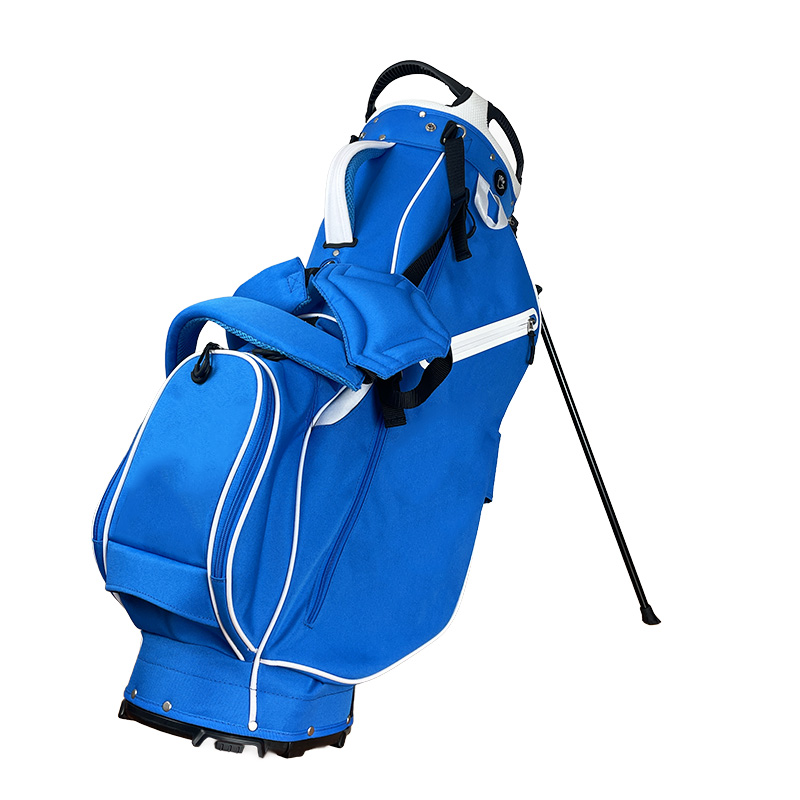
| Product Type / Source Page | Best For | Visible or Stated Product Direction | Customization Discussion | Recommended Buyer |
|---|---|---|---|---|
| OEM/ODM custom logo lightweight golf bags | Stand bag programs with brand logo and color customization | Stand bag format; supplier page references a 5-way divider example | Logo, colors, material direction, divider structure, pocket layout, and strap details | Private-label brands, golf retailers, distributors |
| Wholesale golf bag manufacturers | Bulk sourcing discussions and broader product line planning | Supplier page references golf stand bag manufacturing and customizable options | Materials, colors, divider options, logo placement, packaging, and sample review | Retailers, pro shops, resorts, corporate buyers |
| Golf bags collection | Comparing bag categories before an OEM or ODM brief | Category-level coverage across golf bag product types | Assortment planning across stand, cart, staff, Sunday, and custom programs | Distributors, pro shops, country clubs, resort buyers |
How to Choose the Right Model
Choose OEM if your team has product ownership and wants tighter control. This route is stronger when you already know the bag type, desired material, trim, branding method, divider layout, pocket count, and retail packaging. It also works when your brand wants a look that should not feel too close to an existing market style.
Choose ODM if your team needs a faster product development path and can start from a proven structure. This is often practical for a resort merchandise program, a pro shop capsule line, a corporate gift range, or a retailer that wants to test private-label golf bags before building a larger product family.
In either case, the buyer should prepare a short sourcing brief before contacting the factory. The brief should include target buyer, target retail channel, preferred bag type, logo assets, color references, material direction, feature priorities, packaging needs, and sample approval criteria. Chengsheng’s custom golf bag sample approval checklist is a useful next internal read once the buyer is ready to review a physical sample.
Questions to Ask Before Sampling
- Which parts of the golf bag are fixed, optional, or fully custom?
- Can the supplier support the buyer’s preferred logo method on the chosen material?
- Does the bag need to sit in retail display, rental use, tournament gifting, or direct-to-consumer shipping?
- What reference sample or approved image will be used during sample review?
- Which details must be confirmed before bulk production: divider count, pocket layout, strap system, rain hood, packaging, color, logo placement, and carton markings?
For a first inquiry, send fewer vague adjectives and more working details. A factory can respond more accurately when the buyer provides bag type, target channel, quantity range for quoting, branding files, required features, preferred material direction, and reference images. That makes the OEM vs ODM decision clearer before time is spent on the wrong sample path.
FAQ
What is the difference between OEM and ODM golf bags?
OEM golf bags are made from the buyer’s defined specification or reference design. ODM golf bags start from a supplier-developed product platform that the buyer can customize by changing colors, materials, logo placement, divider structure, pockets, straps, or packaging.
Which is better for private-label golf bags, OEM or ODM?
OEM is usually better when the buyer already has a clear design and product specification. ODM is often better when the buyer wants to start from an existing bag structure and customize it for a private-label retail, pro shop, resort, or distributor program.
Can a golf bag supplier offer both OEM and ODM service?
Yes. A golf bag supplier may support both models, but the buyer should confirm which elements are fully custom, which are based on existing patterns, and which changes affect sample development.
What should U.S. buyers include in an OEM golf bag brief?
A useful OEM brief should include bag type, target retail channel, material direction, divider layout, pocket requirements, strap system, logo artwork, color references, packaging needs, and sample approval criteria.
What should buyers check before approving an ODM golf bag sample?
Buyers should check whether the approved changes were applied correctly, including colors, logo method, material, pocket layout, divider count, strap comfort, base structure, rain hood, stitching, packaging, and carton details.
Post time: Sep-18-2026