

The Moment You Realize It’s Not Your Body—It’s Your Bag
“Coach, my back hurts more than my scorecard.”
The club captain dropped his bag beside the cart and rolled his shoulders like he was loosening up for a boxing match.
The equipment manager didn’t blame the swing, the age, or the shoes. He pointed at the bag.
“You’re carrying a cart-sized load in a carry setup. The straps aren’t supporting you, the pocket layout is fighting you, and the weight is shifting every step. Your bag is quietly stealing energy from your game.”
That is the uncomfortable truth: comfort and performance are connected. When your shoulders tense, your tempo changes. When you’re fatigued, your decisions get sloppy. When your bag is unbalanced, your posture compensates—round after round—until it feels normal to hurt.
This guide is written like an equipment manager’s checklist: not hype, not trend-chasing, and not “choose whatever looks cool.” You’ll learn how to match design to movement, how to read the features that truly affect fatigue, and how to build a bag setup that stays efficient even when the back nine gets messy.
If you want to understand how a serious manufacturer frames golf bag design around real usage, start by skimming About Chengshenggolf to see how experience, OEM feedback, and product systems shape practical bag decisions.
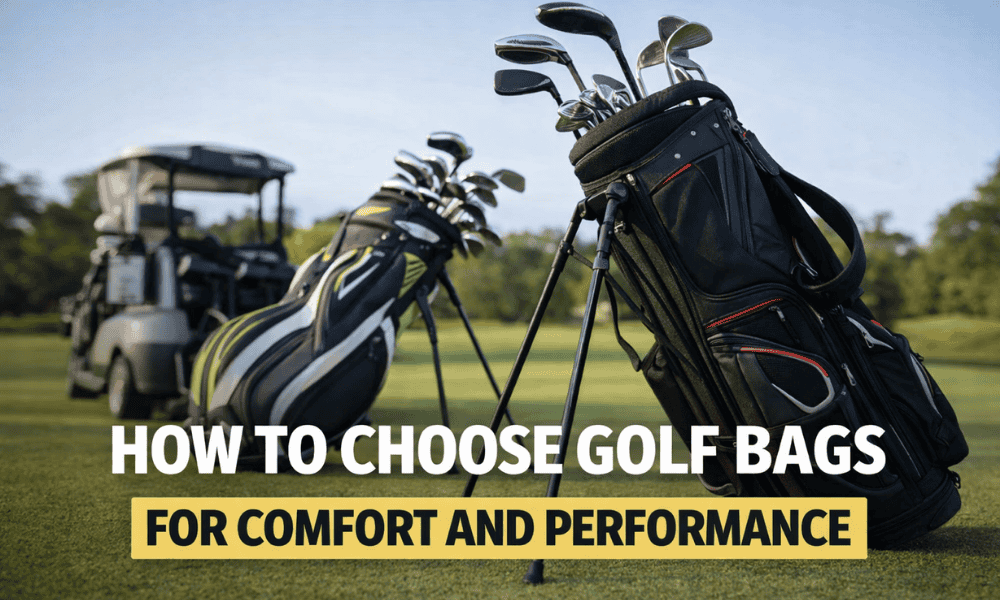
Golf Bags
The First Decision: How You Move for 18 Holes
Most golfers choose a bag by appearance. Better golfers choose it by movement. The right bag is the one that matches how you actually play most of your rounds.
Walkers (carry-focused)
Walking adds repeated load cycles. Research on load carriage in sport and occupational settings consistently shows that discomfort is influenced not just by weight, but by distribution, strap geometry, and how the load shifts during gait. In golf terms: even a “light” bag can feel brutal if it sways, twists, or creates pressure points.
Walking-friendly design usually means:
-
Stable stand legs and a base that doesn’t wobble on uneven turf
-
Dual-strap systems that spread pressure across both shoulders
-
A back panel that reduces hotspots and friction
-
A pocket layout that avoids constant twisting
Riders / trolley users (access-focused)
If you ride or push a cart most rounds, your problem is less “carry fatigue” and more “access friction.” A good cart setup reduces wasted motion and keeps club selection simple.
Cart-friendly design usually means:
-
A structured top that prevents grip tangles
-
Pockets that stay reachable while strapped
-
A base that locks and doesn’t rotate during movement
-
Better organization for gear-heavy rounds
Switchers (hybrid reality)
Many golfers walk some days and ride others. In that case, the goal is balance: a bag that carries comfortably but stays stable when mounted.
To see how a full product system is organized across categories (instead of one-off models), you can browse Chengshenggolf and notice how product choices typically map to golfer behavior rather than just style.
The Comfort Engineering Checklist That Most Golfers Skip
This is the part that improves comfort without changing your swing. Use it like a filter.
| Playing Style | Best Bag Type | Comfort Priority | Performance Benefit | Must-Check Details | Common Mistake to Avoid |
|---|---|---|---|---|---|
| Walk 18 holes often | Stand Bag | Low carry fatigue | Steadier tempo late-round | Dual straps, back padding, stable legs, balanced center of mass | Buying a “light” bag with poor balance and thin straps |
| Mostly ride / trolley | Cart Bag | Easy access & stability | Faster club selection, less distraction | Stable base, strap channel, pocket access while strapped, structured top | Choosing a stand bag that twists on the cart and blocks pockets |
| Walk + ride mixed | Hybrid / Structured Stand | Balanced comfort | Works across different course days | Reinforced frame, comfortable straps, base stability, divider layout | Getting a cart bag that’s awkward to carry or a stand bag that lacks structure |
| Wet / coastal climate | Water-resistant build | Dry essentials & less stress | Better focus in bad weather | Waterproof pockets, sealed zippers, durable fabric, drainage design | Ignoring weather protection and ruining gloves/gear mid-round |
| Travel / frequent trunk loading | Durable, reinforced build | Less wear + safer handling | Consistent setup across trips | Reinforced handles, strong stitching, durable zippers, abrasion resistance | Overlooking stress points (handles/strap anchors) that fail first |
| Pro shop / private label sourcing | Category-matched lineup | Fewer complaints & returns | Higher satisfaction, repeat sales | QC consistency, strap durability, cart fit tests, zipper cycle tests | Choosing by looks only, skipping real use-case testing |
Strap geometry: pressure distribution beats “soft padding”
Padding alone is not the answer. What you want is support that stays consistent over time.
Check:
-
Does the strap system keep the bag centered, or does it pull to one side?
-
Do the straps prevent bouncing when you walk fast or on slopes?
-
Does the back panel feel supportive after 30 minutes, not just at the first tee?
Weight distribution: balance is a performance feature
Golfers often ask, “How light is it?” The better question is, “How balanced does it feel?”
A balanced bag reduces:
-
Shoulder tension
-
Micro-adjustments in posture
-
The tendency to “rush” late in the round
Pocket placement: efficiency prevents fatigue
On-course fatigue isn’t only physical. It’s also mental. If you constantly search for tees, rangefinder, gloves, or water, you add friction that breaks rhythm.
A smarter pocket layout:
-
Keeps essentials in one reach zone
-
Separates wet items from dry items
-
Avoids pockets that are blocked by cart straps
Divider logic: organization affects tempo
Dividers aren’t about looking neat. They’re about keeping the round flowing. When grips tangle or clubs jam, golfers lose tempo and start forcing.
If you want a clean reference for modern bag function and category logic, review the dedicated overview at golf bag and compare it with your current bag’s real behavior on the course.
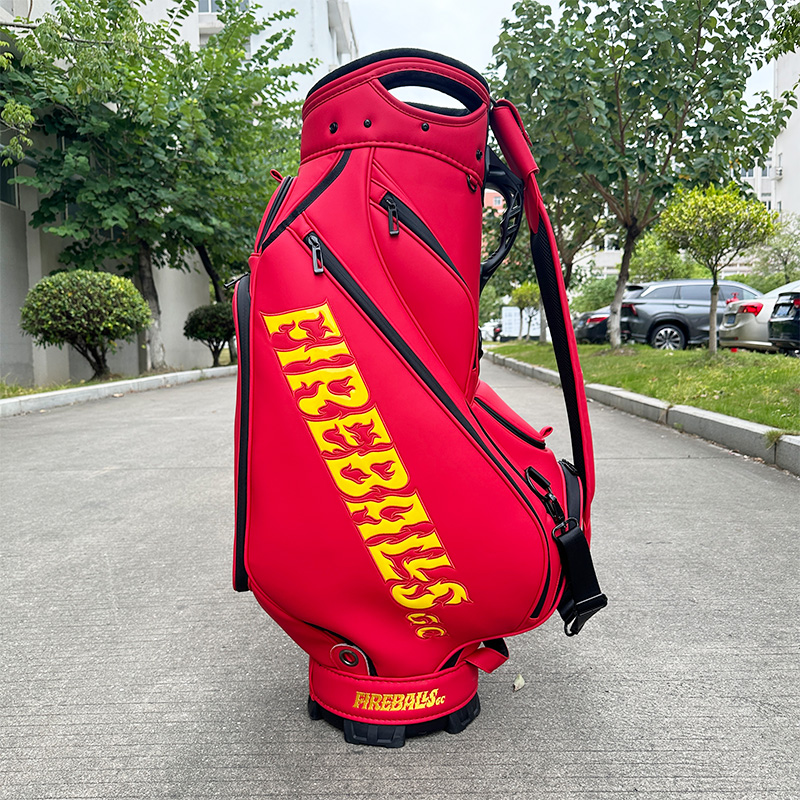
Red Cart Bags
Cart Bags: Where Comfort Becomes “Less Hassle, More Focus”
If your rounds are mostly cart-based, comfort often comes from eliminating small annoyances that add up: twisting to access pockets, digging for clubs, or dealing with a bag that rotates under straps.
A cart-oriented setup can improve performance because it reduces decision fatigue. When access is easy, you stay calm. When you stay calm, you swing better—especially late in the round.
Here’s a practical cart-bag evaluation checklist:
-
Top structure: does it keep clubs separated when the bag is angled?
-
Strap channel: do cart straps block pockets or crush the bag?
-
Pocket depth: can you store rain gear and still zip smoothly?
-
Base stability: does the bag shift when the cart hits bumps?
-
Grab points: is lifting in and out of a trunk simple and safe?
For riders and trolley users, a focused category page like golf cart bags is useful because it highlights the features that matter specifically when the bag is strapped and angled—where many “general bags” fail.
A “Quiet Upgrade” That Protects Comfort: Club Protection Habits
Here’s a detail most golfers underestimate: a noisy, unprotected setup creates stress. When clubs clatter, snag, or scrape, golfers subconsciously handle the bag differently. They set it down carefully, they hesitate, they rush transitions. That’s small friction—until it becomes a pattern.
For golfers who want a cleaner, more controlled feel (especially during travel, cart-heavy seasons, or wet-weather play), club protection can be a surprisingly effective comfort upgrade. It keeps the bag system calmer and the round smoother.
A practical example is using premium headcovers on high-contact clubs, especially irons. If you’re building a coordinated, durable gear system, custom leather hybrid iron headcovers support that “quiet efficiency” approach—less chatter, less finish wear, and less fuss between shots.
Mini Case Study: Why the Wrong Bag Feels “Fine”… Until Hole 13
Many golfers test a bag for five minutes and decide it’s comfortable. But comfort is not a five-minute metric. It’s a back-nine metric.
A common pattern seen in pro shop feedback:
-
Front nine: bag feels normal
-
Mid-round: shoulder tension builds
-
Back nine: posture changes, tempo shortens, decisions get rushed
That’s when golfers start blaming:
-
Their swing
-
Their age
-
Their fitness
-
Their clubs
But often, it’s the bag system: straps that don’t distribute pressure, pockets that cause constant twisting, or a base that shifts and creates repeated micro-stress.
If you’re sourcing bags for a club, retailer, or brand, this is where manufacturer experience matters. You’re not just buying a product—you’re building a repeatable user experience. Revisiting About Chengshenggolf can help you frame what “experience-driven design” looks like in real OEM/ODM decision-making rather than short-term trends.
Sustainability and “Long-Life Design”
Golf equipment is part of a wider consumer and facility ecosystem. Organizations like ESTA have recently emphasized the growing importance of efficiency and sustainability thinking in modern supply chains and operations. You don’t need to turn a golf bag into a climate manifesto—but you can align with the direction by prioritizing durability and longevity.
A bag that lasts longer reduces replacement cycles, reduces waste, and keeps players satisfied beyond the first season. From an EEAT perspective, durability is not just “quality”—it’s responsibility. Reinforced stitching, reliable zippers, stronger strap anchors, and weather-ready materials are practical, measurable choices that matter.
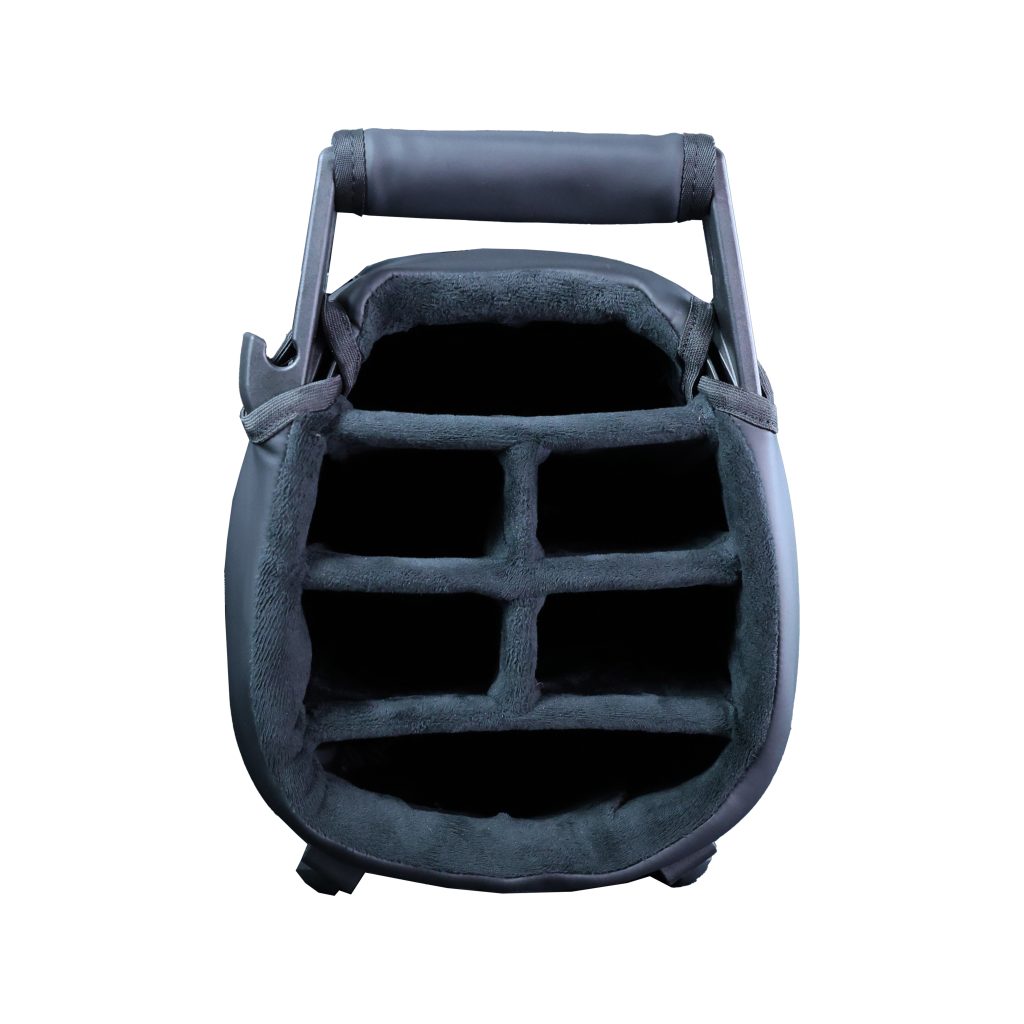 Golf Bag Suppliers |
 Golf Bag |
FAQ
1) What type of golf bag is best for comfort?
Comfort depends on how you play. Walkers usually benefit from supportive dual straps, stable stand legs, and better balance. Cart users often gain comfort through organization and access—less twisting, less lifting, fewer interruptions.
2) Do lighter golf bags always improve performance?
Not always. Balance matters more than weight alone. A slightly heavier but well-balanced bag can feel easier over 18 holes than a lighter bag that swings, twists, or creates pressure hotspots.
3) What features should I prioritize if I use a golf cart most rounds?
Prioritize a stable base, pockets that stay accessible while strapped, a structured top to prevent tangles, and a strap channel that doesn’t block storage zones.
4) How can I keep clubs from tangling or clanking in my bag?
Use a divider layout that matches your club habits, keep grips separated, and consider protective covers for high-contact clubs—especially if you travel or frequently play cart-based rounds.
5) How do I choose golf bags for a pro shop or private-label brand?
Start with golfer profiles (walkers vs riders), climate needs, pocket priorities, divider preferences, and durability requirements. Then sample-test straps, cart mounting behavior, zipper reliability, and long-term wear at high-stress points.
The Bag Should Disappear, Not Distract
Back to the captain: his back wasn’t “old.” His system was mismatched.
A golf bag that improves comfort and performance has one job: reduce friction. It supports posture, protects energy, simplifies access, and keeps the round flowing when you’re tired. When you stop thinking about your bag, you play better—because your attention returns to shot selection, tempo, and confidence.
Choose based on movement first. Then confirm strap geometry, balance, divider logic, pocket access, and base stability. Add protection habits that keep the system calm and consistent.
If you want to discuss specifications, sampling, OEM/ODM builds, or simply align the right bag system to your golfer audience, the next step is straightforward: contact Chengshenggolf and treat the bag like what it really is—a performance tool you carry for every shot.
Dr. Ross Miller, a biomechanics researcher who studies human movement under load, explains the principle in simple terms: when a load shifts or pulls asymmetrically, the body compensates through the shoulders, hips, and spine—raising fatigue and reducing efficiency. That logic maps directly onto golf. If your bag sways, twists, or forces repeated awkward reaches, you spend more energy just managing equipment than playing shots. Choose a bag like an equipment manager: match movement first, then validate strap design, balance, access, and stability. Your back nine will feel like you actually trained for it.
Post time: Dec-24-2025