

Quick Summary: Rain Hood Engineering from a Top Golf bag Manufactory
- Material Mandate: Budget PVC cracks in cold weather and looks cheap. Premium brands must use matching TPU-coated chassis fabric with heat-taped internal seams for 100% waterproofing.
- Access & Usability: Dual-way YKK AquaGuard® zippers are non-negotiable. They allow golfers to extract a single club without exposing the entire top cuff to the rain.
- Production Agility: We finalize technical blueprints and dispatch custom samples within 7 days. Standard bulk manufacturing is completed efficiently in 30-45 days.
I. Introduction: The Most Overlooked Component in Golf Bag Procurement
Golf bag Manufactory selection often hinges on the primary chassis design, but true supply chain mastery is revealed in the accessories—specifically, the Golf Bag Hood (Rain Hood).
For B2B procurement directors and brand founders, the rain hood is frequently treated as an afterthought or a “throwaway” add-on to keep BOM (Bill of Materials) costs down. This is a fatal commercial error. When a sudden downpour hits the course, the rain hood becomes the only barrier protecting $3,000 worth of customized clubs and electronics. A poorly engineered hood that leaks, collapses onto the driver shaft, or features jammed zippers will instantly trigger severe retail returns, negative reviews, and a massive spike in the Cost of Poor Quality (COPQ).
As a precision-driven Golf bag Manufactory, we believe that every component must reflect your brand’s premium positioning. This whitepaper dissects the material science, zipper geometry, and structural anchoring required to engineer a rain hood that adds tangible retail value to your product line, backed by a highly agile 30-45 day bulk production schedule.
II. Material Science: Eradicating the “Cracked PVC” Defect
The most common mistake brands make is investing heavily in the bag’s main body while allowing their Golf bag Manufactory to use cheap, mismatched materials for the hood.
1. The Budget Trap: Thin PVC and Uncoated Polyester
Many generic suppliers utilize clear PVC (Polyvinyl Chloride) or ultra-thin 210D polyester to save $0.50 per unit. PVC is notoriously temperature-sensitive. During a cold autumn morning, PVC hardens and becomes brittle. The moment the golfer tries to fold the hood to store it in a side pocket, the plastic cracks, permanently destroying its waterproof integrity. Furthermore, uncoated polyester merely absorbs rainwater after 10 minutes of exposure, soaking the club grips.
2. The Premium Standard: Matching Chassis Fabric with TPU
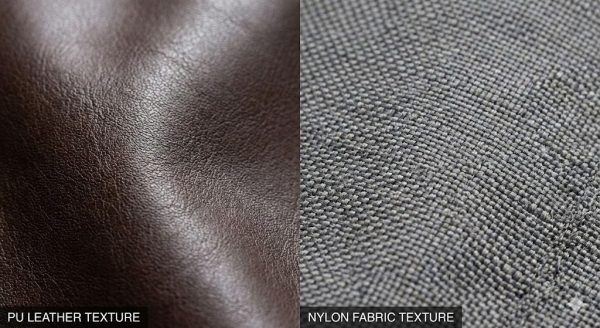
To justify a premium MSRP, the rain hood must be engineered from the exact same high-denier fabric as the bag’s main body (e.g., 600D Ripstop Nylon).
- TPU Waterproofing: The underside of the hood fabric must be laminated with a thick layer of TPU (Thermoplastic Polyurethane).
- Sonic Seam Sealing: Because rain hits the hood directly from above, every stitched seam on the hood must be sealed internally with high-temperature polyurethane tape. This guarantees zero water penetration through microscopic needle holes.
| MateriTyal pe |
Waterproof Rating | Cold-Weather Durability | B2B Commercial Impact |
| Clear PVC | Low (Prone to cracking) | Fails below 10°C | High COPQ, cheapens brand image. |
| Basic 210D Nylon | Water-Resistant (Absorbs eventually) | Moderate | Unacceptable for premium bags. |
| TPU-Coated Chassis Fabric | 100% Waterproof (Hydrostatic) | Excellent (-20°C elasticity) | Justifies luxury pricing; zero weather-related returns. |
III. Zipper Geometry & Biomechanics
When it rains on the golf course, players are wearing wet gloves, holding an umbrella, and trying to play quickly. Evaluating how your Golf bag Manufactory designs the zipper access is crucial for usability.
1. The Dual-Way Waterproof Zipper
A single-zipper design forces the golfer to unzip the entire hood to extract one club, exposing the rest of the clubs to the downpour.The Engineering Upgrade: We mandate Dual-Way Zippers (two zipper sliders on a single track) for all premium hoods. This biomechanical design allows the player to open a small, localized gap exactly where the desired club is located—keeping the rest of the top cuff completely sealed. Furthermore, we upgrade the hardware to reversed PU-coated zippers (like YKK AquaGuard®) accompanied by a rigid storm flap to redirect water runoff.
IV. Structural Integrity & Attachment Hardware
A floppy rain hood is a major liability. If the fabric sags under the weight of heavy rain, it will crush against the carbon-fiber shafts of the driver and fairway woods, causing severe abrasion during cart transit.
1. Rigid Piping and Boning
A competent Golf bag Manufactory incorporates structural engineering into the hood. We sew rigid nylon piping (or flexible polymer boning) along the vertical seams of the hood. This creates a self-supporting “dome” or “tent” structure that hovers safely above the club heads, preserving the aerodynamic silhouette of the bag even when saturated with water.
2. High-Tensile Snap Anchors
The attachment points where the hood connects to the bag’s top cuff undergo intense stress when pulled. Cheap brass snaps easily tear through thin nylon.
- Our Protocol: We reinforce every snap-button anchor point with a secondary layer of ballistic nylon and execute a precise bar-tack stitch around the hardware. We utilize industrial-grade gunmetal or stainless-steel snaps that provide a secure, audible “click,” ensuring the hood will not blow off during high-speed transport on a golf cart.
V. Supply Chain Agility: 7-Day Samples & 30-45 Day Production
Upgrading your rain hoods to a premium, structured standard does not mean disrupting your seasonal launch timeline. In B2B manufacturing, speed must co-exist with precision.
As an elite Golf bag Manufactory, we operate on a strictly optimized OEM/ODM timeline:
- Rapid Prototyping (7 Days): For in-stock materials or simple modifications (such as matching a hood to your existing chassis fabric or adding an embroidered logo to the rain hood), our engineering department will complete the physical sample and ship it to your headquarters within 7 days.
- Highly Efficient Bulk Production (30-45 Days): Because we source our TPU fabrics, YKK waterproof zippers, and heavy-duty snaps from stable, vetted Tier-1 suppliers, our standard bulk production lead time remains a highly efficient 30 to 45 days once your tech-pack is approved. You will not face the 90+ day delays typical of unverified trading companies.
Partnering with the right Golf bag Manufactory transforms every component of your product—even the rain hood—into a powerful commercial asset that justifies a premium price point.
[Contact our B2B engineering team today.] Send us your blueprints and design specifications, and we will provide a comprehensive timeline to integrate fully waterproof, structurally sound rain hoods into your next collection.
Post time: Apr-30-2026